Course description

Indian Polity is a comprehensive study of India's political system, with the Constitution as its cornerstone. A typical course covers:

Core Components:

  • Constitution of India: In-depth analysis of the preamble, fundamental rights, directive principles of state policy, fundamental duties, and the structure of the Indian government.
  • Union Government: Study of the President, Vice President, Prime Minister, Council of Ministers, and Parliament (Lok Sabha and Rajya Sabha).  
  • State Government: Understanding the Governor, Chief Minister, State Legislature, and Panchayati Raj institutions.
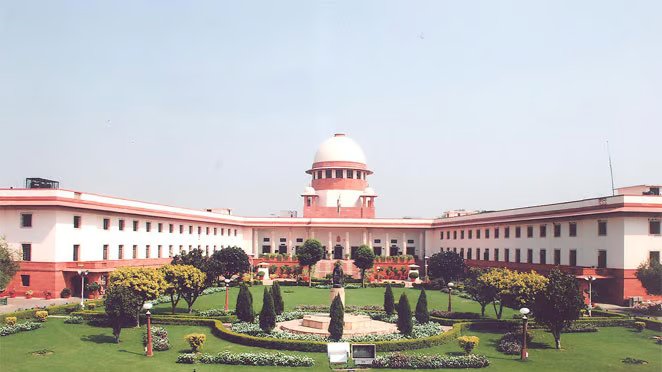
  • Judiciary: Exploration of the Supreme Court, High Courts, and lower judiciary.
  • Federalism: Analysis of the center-state relations, distribution of powers, and inter-state disputes.
  • Elections: Understanding the election process, electoral reforms, and the role of the Election Commission.
  • Other Constitutional Bodies: Study of institutions like the Comptroller and Auditor General (CAG), Finance Commission, UPSC, and others.
  • Social Justice: Analysis of issues related to Scheduled Castes, Scheduled Tribes, and Other Backward Classes.

Course Objectives:

  • Develop a deep understanding of the Indian Constitution and its provisions.
  • Analyze the structure and functions of the Indian government at the central and state levels.
  • Evaluate the challenges and opportunities facing Indian democracy.
  • Develop critical thinking skills to analyze political issues and events.
  • Foster civic engagement and awareness of constitutional rights and duties.

By the end of the course, students should have a solid foundation in Indian Polity, enabling them to understand and engage with political processes and issues effectively.

ভারতীয় রাজনীতি হল ভারতের রাজনৈতিক ব্যবস্থার একটি ব্যাপক অধ্যয়ন, যার ভিত্তি হল সংবিধান। একটি সাধারণ কোর্সে অন্তর্ভুক্ত রয়েছেঃ


ভারতের সংবিধানঃ প্রস্তাবনা, মৌলিক অধিকার, রাষ্ট্রীয় নীতির নির্দেশক নীতি, মৌলিক কর্তব্য এবং ভারত সরকারের কাঠামোর গভীর বিশ্লেষণ।
কেন্দ্রীয় সরকারঃ রাষ্ট্রপতি, উপরাষ্ট্রপতি, প্রধানমন্ত্রী, মন্ত্রী পরিষদ এবং সংসদ (লোকসভা ও রাজ্যসভা)
রাজ্য সরকারঃ রাজ্যপাল, মুখ্যমন্ত্রী, রাজ্য আইনসভা এবং পঞ্চায়েতি রাজ প্রতিষ্ঠানগুলিকে বোঝা।
বিচার বিভাগঃ সুপ্রিম কোর্ট, হাইকোর্ট এবং নিম্ন বিচার বিভাগের অন্বেষণ।
যুক্তরাষ্ট্রীয়তাঃ কেন্দ্র-রাজ্য সম্পর্কের বিশ্লেষণ, ক্ষমতার বন্টন এবং আন্তঃরাজ্য বিরোধ।
নির্বাচনঃ নির্বাচন প্রক্রিয়া, নির্বাচনী সংস্কার এবং নির্বাচন কমিশনের ভূমিকা বোঝা।
অন্যান্য সাংবিধানিক সংস্থাঃ কম্পট্রোলার অ্যান্ড অডিটর জেনারেল (সিএজি) অর্থ কমিশন, ইউপিএসসি এবং অন্যান্য প্রতিষ্ঠানের অধ্যয়ন।
সামাজিক ন্যায়বিচারঃ তফসিলি জাতি, তফসিলি উপজাতি এবং অন্যান্য অনগ্রসর শ্রেণী সম্পর্কিত বিষয়গুলির বিশ্লেষণ।
কোর্সের উদ্দেশ্যঃ ভারতীয় সংবিধান এবং এর বিধানগুলি সম্পর্কে গভীর বোঝাপড়া গড়ে তোলা।
কেন্দ্রীয় ও রাজ্য স্তরে ভারত সরকারের কাঠামো ও কার্যাবলী বিশ্লেষণ করুন।
ভারতীয় গণতন্ত্রের সম্মুখীন হওয়া চ্যালেঞ্জ এবং সুযোগগুলির মূল্যায়ন করুন।
রাজনৈতিক বিষয় এবং ঘটনাগুলি বিশ্লেষণ করার জন্য সমালোচনামূলক চিন্তাভাবনার দক্ষতা বিকাশ করুন।
সাংবিধানিক অধিকার ও কর্তব্য সম্পর্কে নাগরিকদের সম্পৃক্ততা ও সচেতনতা বৃদ্ধি করা।
কোর্সের শেষে, শিক্ষার্থীদের ভারতীয় রাজনীতিতে একটি দৃঢ় ভিত্তি থাকা উচিত, যা তাদের রাজনৈতিক প্রক্রিয়া এবং বিষয়গুলি কার্যকরভাবে বুঝতে এবং জড়িত করতে সক্ষম করে।

What will i learn?

  • By the end of an Indian Polity course, students should be able to: Knowledge and Understanding: Comprehend the fundamental principles and structure of the Indian Constitution. Explain the key features of Indian federalism, including center-state relations. Describe the functions and powers of the executive, legislature, and judiciary. Summarize the role of political parties, the electoral process, and the Election Commission. Outline the provisions related to fundamental rights, directive principles of state policy, and fundamental duties. Skills and Abilities: Analyze political issues and debates within the constitutional framework. Evaluate the performance of government institutions and political leaders. Compare the Indian political system with other democratic systems. Apply constitutional knowledge to real-world scenarios and challenges. Communicate effectively on complex political issues. Values and Attitudes: Develop a sense of civic responsibility and participation. Appreciate the importance of constitutional democracy and the rule of law. Respect diversity and pluralism in Indian society. Critically analyze political discourse and propaganda. Demonstrate an understanding of the challenges and opportunities facing Indian democracy. Ultimately, a successful Indian Polity course should equip students with a strong foundation in the political system, enabling them to become informed and engaged citizens.
  • একটি ভারতীয় রাজনীতি কোর্সের শেষে, শিক্ষার্থীদের সক্ষম হওয়া উচিতঃ জ্ঞান ও বোধগম্যতাঃ ভারতীয় সংবিধানের মৌলিক নীতি ও কাঠামো বোঝা। কেন্দ্র-রাজ্য সম্পর্ক সহ ভারতীয় যুক্তরাষ্ট্রীয় ব্যবস্থার মূল বৈশিষ্ট্যগুলি ব্যাখ্যা করুন। কার্যনির্বাহী, আইনসভা এবং বিচার বিভাগের কাজ ও ক্ষমতা বর্ণনা করুন। রাজনৈতিক দল, নির্বাচনী প্রক্রিয়া এবং নির্বাচন কমিশনের ভূমিকার সারসংক্ষেপ তৈরি করুন। মৌলিক অধিকার, রাষ্ট্রীয় নীতির নির্দেশক নীতি এবং মৌলিক কর্তব্য সম্পর্কিত বিধানগুলির রূপরেখা তৈরি করুন। দক্ষতা ও দক্ষতাঃ সাংবিধানিক কাঠামোর মধ্যে রাজনৈতিক বিষয় এবং বিতর্ক বিশ্লেষণ করুন। সরকারি প্রতিষ্ঠান ও রাজনৈতিক নেতাদের কর্মক্ষমতা মূল্যায়ন করুন। অন্যান্য গণতান্ত্রিক ব্যবস্থার সঙ্গে ভারতীয় রাজনৈতিক ব্যবস্থার তুলনা করুন। বাস্তব-জগতের পরিস্থিতি এবং চ্যালেঞ্জগুলিতে সাংবিধানিক জ্ঞান প্রয়োগ করুন। জটিল রাজনৈতিক বিষয়গুলিতে কার্যকরভাবে যোগাযোগ করুন। মূল্যবোধ ও মনোভাবঃ নাগরিক দায়িত্ব এবং অংশগ্রহণের অনুভূতি গড়ে তুলুন। সাংবিধানিক গণতন্ত্র এবং আইনের শাসনের গুরুত্বের প্রশংসা করুন। ভারতীয় সমাজে বৈচিত্র্য এবং বহুত্ববাদকে সম্মান করুন। রাজনৈতিক আলোচনা এবং অপপ্রচার সমালোচনামূলকভাবে বিশ্লেষণ করুন। ভারতীয় গণতন্ত্রের সম্মুখীন হওয়া চ্যালেঞ্জ এবং সুযোগগুলি সম্পর্কে একটি বোঝার প্রদর্শন করুন। পরিশেষে, একটি সফল ভারতীয় পলিটি কোর্সের ছাত্রদের রাজনৈতিক ব্যবস্থায় একটি শক্তিশালী ভিত্তির সাথে সজ্জিত করা উচিত, যা তাদের অবহিত এবং নিযুক্ত নাগরিক হতে সক্ষম করে।

Requirements

  • Studying Indian Polity is crucial for several reasons: Understanding Your Rights and Responsibilities Knowing your rights: It helps you understand your fundamental rights and freedoms as a citizen. Understanding your duties: It clarifies your responsibilities towards the nation and society. Empowering citizens: Knowledge of polity empowers you to participate effectively in democratic processes. Building a Strong Foundation for Civic Engagement Informed decision-making: A good grasp of polity helps you make informed decisions during elections and on public issues. Active citizenship: It encourages participation in civic activities and governance. Holding the government accountable: Understanding the system helps you hold the government accountable for its actions. Developing Critical Thinking and Analytical Skills Analyzing political processes: Studying polity involves analyzing complex political systems and processes. Evaluating government policies: It helps you assess the effectiveness of government policies and programs. Understanding socio-political issues: It provides a framework for understanding complex socio-political issues. Preparing for Competitive Exams Essential for many exams: Knowledge of Indian Polity is crucial for many competitive exams like UPSC, state civil services, and judiciary exams. Developing a strong foundation: It builds a solid foundation for other subjects like history, geography, and economics. In essence, studying Indian Polity is not just about memorizing facts; it's about understanding the framework that governs your life and empowering yourself as a responsible citizen.
  • বিভিন্ন কারণে ভারতীয় রাজনীতি অধ্যয়ন করা গুরুত্বপূর্ণঃ আপনার অধিকার ও দায়িত্বগুলি বোঝা আপনার অধিকারগুলি জানাঃ এটি আপনাকে একজন নাগরিক হিসাবে আপনার মৌলিক অধিকার এবং স্বাধীনতা বুঝতে সাহায্য করে। আপনার কর্তব্যগুলি বোঝাঃ এটি দেশ ও সমাজের প্রতি আপনার দায়িত্বগুলি স্পষ্ট করে। নাগরিকদের ক্ষমতায়নঃ রাজনৈতিক জ্ঞান আপনাকে গণতান্ত্রিক প্রক্রিয়ায় কার্যকরভাবে অংশগ্রহণ করতে সক্ষম করে। নাগরিক সম্পৃক্ততার জন্য একটি শক্তিশালী ভিত্তি গড়ে তোলা অবহিত সিদ্ধান্ত গ্রহণঃ রাজনীতির একটি ভাল উপলব্ধি আপনাকে নির্বাচনের সময় এবং জনসাধারণের বিষয়গুলিতে অবহিত সিদ্ধান্ত নিতে সহায়তা করে। সক্রিয় নাগরিকত্বঃ এটি নাগরিক কার্যক্রম এবং প্রশাসনে অংশগ্রহণকে উৎসাহিত করে। সরকারকে জবাবদিহিতার আওতায় আনাঃ ব্যবস্থাটিকে বোঝা আপনাকে সরকারকে তার কাজের জন্য জবাবদিহি করতে সহায়তা করে। সমালোচনামূলক চিন্তাভাবনা এবং বিশ্লেষণাত্মক দক্ষতার বিকাশ রাজনৈতিক প্রক্রিয়া বিশ্লেষণঃ রাজনীতি অধ্যয়নের সঙ্গে জটিল রাজনৈতিক ব্যবস্থা ও প্রক্রিয়া বিশ্লেষণ জড়িত। সরকারি নীতিগুলির মূল্যায়নঃ এটি আপনাকে সরকারি নীতি এবং কর্মসূচির কার্যকারিতা মূল্যায়ন করতে সহায়তা করে। সামাজিক-রাজনৈতিক বিষয়গুলি বোঝাঃ এটি জটিল সামাজিক-রাজনৈতিক বিষয়গুলি বোঝার জন্য একটি কাঠামো সরবরাহ করে। প্রতিযোগিতামূলক পরীক্ষার প্রস্তুতি অনেক পরীক্ষার জন্য প্রয়োজনীয়ঃ ইউপিএসসি, রাজ্য সিভিল সার্ভিস এবং বিচার বিভাগীয় পরীক্ষার মতো অনেক প্রতিযোগিতামূলক পরীক্ষার জন্য ভারতীয় রাজনীতির জ্ঞান অত্যন্ত গুরুত্বপূর্ণ। একটি শক্তিশালী ভিত্তি গড়ে তোলাঃ এটি ইতিহাস, ভূগোল এবং অর্থনীতির মতো অন্যান্য বিষয়ের জন্য একটি দৃঢ় ভিত্তি তৈরি করে। সংক্ষেপে, ভারতীয় রাজনীতি অধ্যয়ন করা মানে কেবল তথ্য মুখস্থ করা নয়; এটি আপনার জীবনকে পরিচালনা করে এমন কাঠামোটি বোঝার এবং একজন দায়িত্বশীল নাগরিক হিসাবে নিজেকে ক্ষমতায়িত করার বিষয়ে।

Frequently asked question

The Constitution of India is the primary source for studying Indian Polity.

ভারতীয় সংবিধান হল ভারতীয় রাজনীতি অধ্যয়নের প্রাথমিক উৎস।

The Indian Constitution was adopted on November 26, 1949, and came into effect on January 26, 1950.

1949 সালের 26শে নভেম্বর ভারতীয় সংবিধান গৃহীত হয় এবং 1950 সালের 26শে জানুয়ারি তা কার্যকর হয়।

Directive Principles are guidelines for the state to follow while formulating policies. They are not enforceable by courts.

নির্দেশমূলক নীতিগুলি হল নীতি প্রণয়নের সময় রাজ্যকে অনুসরণ করতে হবে এমন নির্দেশিকা। এগুলি আদালতের দ্বারা প্রয়োগযোগ্য নয়।

Free

Lectures

8

Quizzes

2

Skill level

Beginner

Expiry period

Lifetime

Certificate

Yes

Share this course

Related courses