Course description

The chapter "Peasants, Zamindars and the States: Agrarian Society and the Mughal Empire" in the Class 12 History syllabus explores the socio-economic structures and relationships within agrarian society during the Mughal Empire. It examines the roles of peasants, zamindars (landowners), and the state in the agricultural economy, highlighting the dynamics of power, taxation, and rural life.

Course Overview:

1. Introduction to the Mughal Empire

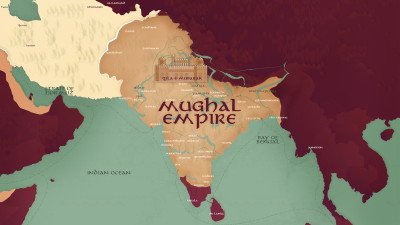
  • The chapter introduces the Mughal Empire, established in the early 16th century by Babur, and discusses its expansion and consolidation under rulers like Akbar, Shah Jahan, and Aurangzeb.

2. Agrarian Society Structure

  • Analysis of the agrarian society in the Mughal Empire, focusing on the roles and functions of various groups, including peasants, zamindars, and the state.
  • Discussion of the social hierarchy and the interrelationships among different classes in rural areas.

3. Role of Peasants

  • Examination of the life and conditions of peasants, who formed the backbone of the agrarian economy.
  • Exploration of their agricultural practices, crops grown, and the challenges they faced, including taxation and land tenure systems.

4. Zamindars and Land Tenure

  • Analysis of the role of zamindars as intermediaries between the peasants and the state, including their responsibilities, rights, and the economic power they wielded.
  • Discussion of different land tenure systems and how zamindars managed land and collected revenue.

5. State Policies and Revenue Collection

  • Examination of the Mughal state’s policies regarding agriculture, including revenue systems and land taxation.
  • Discussion of Akbar's revenue reforms, such as the Zabt system, which aimed to standardize tax collection based on land assessment.

6. Economic Activities and Trade

  • Overview of the economic activities in rural areas, including agriculture, handicrafts, and trade.
  • Exploration of the connections between rural economies and urban centers, highlighting the role of markets in facilitating trade.

7. Cultural and Social Life

  • Discussion of the cultural and social aspects of agrarian life, including festivals, rituals, and community relations among peasants and zamindars.
  • Exploration of the impact of Mughal patronage on art, architecture, and culture in rural areas.

8. Resistance and Rebellion

  • Examination of instances of peasant resistance and rebellion against zamindars and state policies, highlighting the struggles for rights and justice.
  • Discussion of significant uprisings, such as the Chaurasi Revolt and the impact of socio-economic changes on rural unrest.

9. Decline of the Mughal Empire

  • Analysis of the factors contributing to the decline of the Mughal Empire, including internal conflicts, economic challenges, and the rise of regional powers.
  • Reflection on the consequences of this decline for agrarian society and zamindari systems.

10. Legacy of the Mughal Agrarian System

  • Discussion of the long-lasting impacts of the Mughal agrarian system on subsequent socio-economic structures in India, including land tenure systems and rural relations.

Summary:

The chapter "Peasants, Zamindars and the States: Agrarian Society and the Mughal Empire" provides a comprehensive overview of the dynamics of agrarian life in the Mughal Empire. It explores the relationships between different social groups and the impact of state policies on rural society. Through this study, students gain insights into the complexities of agrarian economies, the socio-political structures of the time, and the historical legacies that continue to influence rural India.

দ্বাদশ শ্রেণির ইতিহাস পাঠ্যক্রমে "কৃষক, জমিদার ও রাজ্যঃ কৃষি সমাজ ও মুঘল সাম্রাজ্য" অধ্যায়টি মুঘল সাম্রাজ্যের সময়কালে কৃষি সমাজের মধ্যে আর্থ-সামাজিক কাঠামো এবং সম্পর্কের অন্বেষণ করে। এটি কৃষি অর্থনীতিতে কৃষক, জমিদার (জমির মালিক) এবং রাষ্ট্রের ভূমিকা পরীক্ষা করে, ক্ষমতা, কর এবং গ্রামীণ জীবনের গতিশীলতাকে তুলে ধরে।


কোর্স ওভারভিউঃ 1. মুঘল সাম্রাজ্যের পরিচিতি
অধ্যায়টি 16 শতকের গোড়ার দিকে বাবরের দ্বারা প্রতিষ্ঠিত মুঘল সাম্রাজ্যের পরিচয় দেয় এবং আকবর, শাহজাহান ও ঔরঙ্গজেবের মতো শাসকদের অধীনে এর সম্প্রসারণ ও একীকরণ নিয়ে আলোচনা করে।
2. কৃষি সমাজের কাঠামো
মুঘল সাম্রাজ্যের কৃষি সমাজের বিশ্লেষণ, কৃষক, জমিদার এবং রাষ্ট্র সহ বিভিন্ন গোষ্ঠীর ভূমিকা ও কার্যাবলীর উপর দৃষ্টি নিবদ্ধ করে।
গ্রামাঞ্চলে বিভিন্ন শ্রেণীর মধ্যে সামাজিক শ্রেণিবিন্যাস এবং আন্তঃসম্পর্ক নিয়ে আলোচনা।
3. কৃষকদের ভূমিকা
কৃষকদের জীবন ও অবস্থার পরীক্ষা, যারা কৃষি অর্থনীতির মেরুদণ্ড গঠন করেছিল।
তাদের কৃষি পদ্ধতি, উৎপাদিত ফসল এবং কর এবং ভূমি মেয়াদী ব্যবস্থা সহ তাদের সম্মুখীন হওয়া চ্যালেঞ্জগুলির অন্বেষণ।
4. জমিদার ও ভূমি অধিগ্রহণ
কৃষক ও রাষ্ট্রের মধ্যে মধ্যস্থতাকারী হিসেবে জমিদারদের ভূমিকা, তাদের দায়িত্ব, অধিকার এবং অর্থনৈতিক ক্ষমতা বিশ্লেষণ।
বিভিন্ন জমি অধিগ্রহণ ব্যবস্থা এবং কীভাবে জমিদাররা জমি পরিচালনা ও রাজস্ব আদায় করতেন, তা নিয়ে আলোচনা।
5. রাজ্য নীতি ও রাজস্ব সংগ্রহ
রাজস্ব ব্যবস্থা এবং ভূমি কর সহ কৃষি সম্পর্কিত মুঘল রাষ্ট্রের নীতিগুলি পরীক্ষা করা।
আকবরের রাজস্ব সংস্কারের আলোচনা, যেমন জাব্ট ব্যবস্থা, যার লক্ষ্য ছিল ভূমি মূল্যায়নের ভিত্তিতে কর সংগ্রহের মান নির্ধারণ করা।
6টি। অর্থনৈতিক ক্রিয়াকলাপ এবং বাণিজ্য কৃষি, হস্তশিল্প এবং বাণিজ্য সহ গ্রামাঞ্চলে অর্থনৈতিক ক্রিয়াকলাপের সংক্ষিপ্ত বিবরণ।
গ্রামীণ অর্থনীতি এবং শহুরে কেন্দ্রগুলির মধ্যে সংযোগের অন্বেষণ, বাণিজ্যের সুবিধার্থে বাজারের ভূমিকা তুলে ধরে।
7. সাংস্কৃতিক ও সামাজিক জীবন
উৎসব, আচার-অনুষ্ঠান এবং কৃষক ও জমিদারদের মধ্যে সামাজিক সম্পর্ক সহ কৃষি জীবনের সাংস্কৃতিক ও সামাজিক দিকগুলি নিয়ে আলোচনা।
গ্রামাঞ্চলে শিল্প, স্থাপত্য ও সংস্কৃতির উপর মুঘল পৃষ্ঠপোষকতার প্রভাব অন্বেষণ।
8. প্রতিরোধ ও বিদ্রোহ
জমিদার ও রাষ্ট্রীয় নীতির বিরুদ্ধে কৃষক প্রতিরোধ ও বিদ্রোহের উদাহরণ পরীক্ষা করা, যা অধিকার ও ন্যায়বিচারের জন্য সংগ্রামকে তুলে ধরে।
চৌরাসী বিদ্রোহের মতো উল্লেখযোগ্য বিদ্রোহ এবং গ্রামীণ অস্থিরতার উপর আর্থ-সামাজিক পরিবর্তনের প্রভাব নিয়ে আলোচনা।
9টি। মুঘল সাম্রাজ্যের পতন
অভ্যন্তরীণ দ্বন্দ্ব, অর্থনৈতিক চ্যালেঞ্জ এবং আঞ্চলিক শক্তির উত্থান সহ মুঘল সাম্রাজ্যের পতনের কারণগুলির বিশ্লেষণ।
কৃষি সমাজ ও জমিদারি ব্যবস্থার জন্য এই পতনের পরিণতির প্রতিফলন।
10। মুঘল কৃষি ব্যবস্থার উত্তরাধিকার
ভূমি অধিগ্রহণ ব্যবস্থা এবং গ্রামীণ সম্পর্ক সহ ভারতে পরবর্তী আর্থ-সামাজিক কাঠামোর উপর মুঘল কৃষি ব্যবস্থার দীর্ঘস্থায়ী প্রভাব নিয়ে আলোচনা।
সারসংক্ষেপঃ "কৃষক, জমিদার এবং রাজ্যঃ কৃষি সমাজ এবং মুঘল সাম্রাজ্য" অধ্যায়টি মুঘল সাম্রাজ্যের কৃষি জীবনের গতিশীলতার একটি বিস্তৃত বিবরণ প্রদান করে। এটি বিভিন্ন সামাজিক গোষ্ঠীর মধ্যে সম্পর্ক এবং গ্রামীণ সমাজের উপর রাষ্ট্রীয় নীতির প্রভাব অন্বেষণ করে। এই গবেষণার মাধ্যমে শিক্ষার্থীরা কৃষি অর্থনীতির জটিলতা, সেই সময়ের সামাজিক-রাজনৈতিক কাঠামো এবং গ্রামীণ ভারতকে প্রভাবিত করে যাওয়া ঐতিহাসিক উত্তরাধিকার সম্পর্কে অন্তর্দৃষ্টি অর্জন করে।

What will i learn?

  • Upon completing the chapter
  • দ্বাদশ শ্রেণির ইতিহাস পাঠ্যক্রমে

Requirements

  • Studying
  • মুঘল আমলে ভারতকে রূপদানকারী মৌলিক সামাজিক ও অর্থনৈতিক কাঠামো বোঝার জন্য

Frequently asked question

The Mughal Empire played a crucial role in shaping agrarian society in India by establishing a centralized administration, implementing revenue systems, and influencing agricultural practices. It marked a period of economic prosperity and cultural development.

মুঘল সাম্রাজ্য একটি কেন্দ্রীভূত প্রশাসন প্রতিষ্ঠা, রাজস্ব ব্যবস্থা বাস্তবায়ন এবং কৃষি পদ্ধতিকে প্রভাবিত করে ভারতে কৃষি সমাজ গঠনে গুরুত্বপূর্ণ ভূমিকা পালন করেছিল। এটি অর্থনৈতিক সমৃদ্ধি এবং সাংস্কৃতিক উন্নয়নের একটি সময়কে চিহ্নিত করে।

Peasants were the farmers who worked the land and produced agricultural goods. They formed the backbone of the agrarian economy, cultivating various crops and supporting the rural economy, but often faced challenges such as heavy taxation and land disputes.

কৃষকরা ছিলেন সেইসব কৃষক যারা জমিতে কাজ করতেন এবং কৃষি পণ্য উৎপাদন করতেন। তারা কৃষি অর্থনীতির মেরুদণ্ড গঠন করেছিল, বিভিন্ন ফসল চাষ করত এবং গ্রামীণ অর্থনীতিকে সমর্থন করত, তবে প্রায়শই ভারী কর এবং ভূমি বিরোধের মতো চ্যালেঞ্জের মুখোমুখি হত।

Zamindars were landowners or intermediaries responsible for collecting taxes from peasants on behalf of the Mughal state. They held significant economic and social power, managing large tracts of land and often acting as local rulers.

জমিদাররা ছিলেন মুঘল রাষ্ট্রের পক্ষ থেকে কৃষকদের কাছ থেকে কর আদায়ের জন্য দায়ী জমির মালিক বা মধ্যস্থতাকারী। তারা উল্লেখযোগ্য অর্থনৈতিক ও সামাজিক ক্ষমতার অধিকারী ছিল, জমির বিশাল অংশ পরিচালনা করত এবং প্রায়শই স্থানীয় শাসক হিসাবে কাজ করত।

₹299

Lectures

0

Skill level

Beginner

Expiry period

Lifetime

Certificate

Yes

Share this course

Related courses